
Botanical Medicine
Botanical medicine uses plant-based therapies that are often safer, more affordable, and highly effective for many health conditions. These natural remedies support the body’s healing processes while minimizing side effects commonly associated with synthetic drugs. Backed by scientific evidence, many botanicals provide anti-inflammatory, antimicrobial, hormonal, and immune-modulating benefits. At Holistic Solutions, Dr. Joseph Dubroff incorporates botanicals that are clinically researched, sustainably sourced, and personalized to each patient’s needs. This approach is ideal for individuals seeking natural alternatives that work synergistically with the body, addressing the root causes of illness while supporting long-term wellness, resilience, and overall physiological balance.
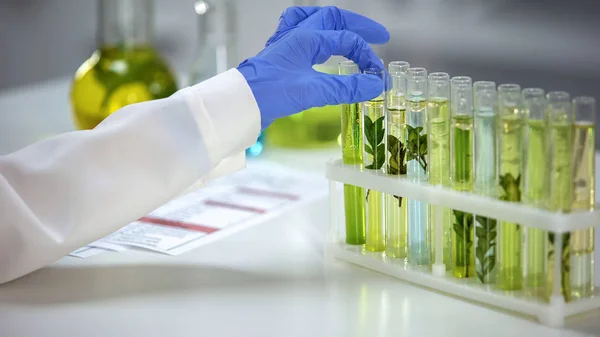
Synthetic Drugs Originating From Plants
Willow Bark
Source of aspirin; powerful natural anti-inflammatory relieving pain, fever, and chronic joint discomfort.
Pacific Yew Tree
Produces paclitaxel; critical chemotherapy drug inhibiting cancer cell growth and metastasis effectively.
Foxglove Plant
Origin of digoxin; strengthens heart contractions, treating arrhythmias and heart failure symptoms safely.
Opium Poppy
Source of morphine; potent pain reliever used for severe postoperative and trauma-related pain management.
Madagascar Periwinkle
Produces vincristine and vinblastine; essential chemotherapy agents treating leukemia and Hodgkin’s lymphoma effectively.
Cinchona Bark
Origin of quinine; effective antimalarial supporting fever reduction and parasite suppression historically worldwide.
Soybean Plant
Produces genistein derivatives; used in hormone-related therapies supporting menopausal, metabolic, and cardiovascular health.
Sweet Wormwood
Source of artemisinin; powerful antimalarial drug saving millions of lives globally.
Ephedra Plant
Produces ephedrine; effective bronchodilator for asthma, nasal congestion, and emergency respiratory support.
Rauwolfia Serpentina
Origin of reserpine; early antihypertensive effectively reducing high blood pressure and anxiety symptoms.
Want to learn more about synthetic drugs derived from plants — their history, science, and clinical applications? Visit these sources to read in-depth research and reviews:
“Plant-Derived Natural Products in Cancer Research: Extraction, Mechanism of Action, and Drug Formulation” — a peer-reviewed overview of important plant-derived drugs like paclitaxel and vincristine. Read Article.
“Plants as source of drugs” — a review article describing how higher plants remain a major source for modern drug development. Read Article
At Holistic Solutions we honor this heritage — combining natural botanical wisdom with modern medicine. Read more about how many of today’s most important drugs originated from ordinary plants, and why botanical-based therapies remain a powerful, science-backed alternative. Sources, Read Article
Dr. Joe is amazing! He is very kind and answers any and all questions you have. I even wrote him on the weekend and he responded very fast to my questions. 10 stars+ Aaron S.
A Little Medical Botanical History
Botanical medicine has shaped human healing for thousands of years, forming the foundation of many modern pharmaceuticals and clinical therapies. Ancient cultures across Greece, China, and Egypt used plant-based remedies to treat pain, infections, hormonal imbalances, and chronic disease—long before synthetic medicine existed. Over time, scientific research confirmed the effectiveness of many of these botanicals, leading to the development of well-known drugs such as aspirin from willow bark and paclitaxel from the Pacific yew tree. Today, medical schools and research institutions continue to study plant compounds for their powerful therapeutic potential, reaffirming the long-standing connection between nature and modern medicine.
Source: Harvard Health Publishing — “Alternative remedies” discusses benefits and cautions of herbal and botanical remedies. Sources
Timeline of Botanical Medicine History
≈ 3500 BC — Ancient Egyptians document plant-based remedies (e.g. in the Ebers Papyrus) for wounds, respiratory issues, and general ailments. Sources
Ancient Greece / 5th–4th centuries BC — Scholars such as Hippocrates classify herbs using qualities (hot/cold, moist/dry), systematizing herbal medicine theory. Sources
Middle Ages & Renaissance (5th–16th centuries) — Herbal compendia and “herbals” proliferate across Europe; knowledge about medicinal herbs is recorded and passed on. Sources
1830s–1890s — Scientific chemistry isolates active plant compounds: salicin from willow bark becomes precursor to modern acetyl-salicylic acid (aspirin) in 1899. Sources
Early 1800s — The alkaloid morphine is extracted from the opium poppy (Papaver somniferum), demonstrating that plants can yield potent, chemically active molecules for pain relief. Sources
Mid 20th century — Systematic screening of plants for pharmacological activity begins; many modern drugs are developed from plant-derived compounds. Sources
1960s and onward — Discovery of powerful anti-cancer agents like Paclitaxel (from the Pacific yew tree) and other plant-derived pharmaceuticals. Sources
Today — Around 25–40% of all pharmaceuticals originate from natural products or their derivatives. Research continues to explore plant biodiversity for new therapeutic compounds. Sources