



Regenerative & Longevity-Based Medicine in San Diego, CA
Affordable Holistic Medicine.
Stem Cell & Regenerative Medicine, Weight Loss & Integrative Care.
From targeted joint and soft-tissue regeneration to systemic therapies, including IV stem cell options, care is individualized to each patient’s needs and goals.
20+ Years in Practice
Naturopathic Doctor, N.D.
House Calls — We Come to You
Transparent Pricing, Always
5-Star Patient Reviews
Medicine Shouldn't Be a Luxury.
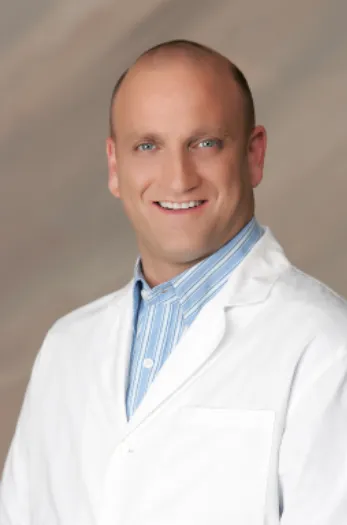
Dr. Joseph Dubroff built Holistic Solutions around a simple belief: access to high-quality, personalized medical care shouldn't depend on how much money you have.
Most stem cell clinics charge $5,000–$15,000 per 2ml vials (such as a single knee). Dr. Dubroff charges $2,150 per 2ml vial (ex. single knee). Not because the quality is lower — but because he runs without the overhead, refuses to be greed-driven, and believes that helping people is the point. Here's how we do it:
House call model by design — coming to you instead of maintaining a facility isn't just more convenient, it's a deliberate choice to keep overhead low and care personal
No administrative staff markup — without a team of front desk, billing, and support staff to support, costs stay lean and pricing stays honest
A genuine belief in medical equity — Dr. Dubroff charges what the care is actually worth, not what the market will bear. Accessible pricing isn't a promotion — it's the foundation the practice was built on
He doesn't have a waiting room full of staff. He doesn't have a downtown office with a lease (though we have office space available). He drives to your home, spends two full hours with you on your first visit, and gives you his time — not a rushed 15-minute consultation designed to bill insurance.
"The opposite of greed is service. I don't charge by the tens of thousands for a single injection. I charge what's fair - because that's what I'd want if I were the patient."
- Dr. Joseph Dubroff

What to Expect When You Work With Us
Step 1 — Free Consultation
Start with a no-obligation phone call to talk through your health goals, symptoms, and questions. We'll tell you honestly whether we can help — and what it will cost.
Step 2 — Two-Hour First Appointment (At Your Home)
Your first visit is two full hours. Dr. Dubroff comes to you, reviews your health history in depth, runs through your options, and builds a personalized plan. No rushing. No upsells. A full extra hour is included for new patients and must be used within a week — because he's serious about getting your care right from the start.
Step 3 — Ongoing Support, on Your Terms
After your initial plan is set, follow-up calls are free for anything we've already discussed. Dr. Dubroff operates concierge-style — you have real access to your doctor, not a phone tree.
What We Treat

Stem Cell Therapy
Chronic pain. Arthritic joints. Inflammation that won't quit. Our regenerative stem cell programs support your body's ability to heal from the inside — without surgery, without downtime, and without a five-figure price tag.
Starting at $2,150 for one knee | $3,900 for both knees

Medical Weight Loss Programs
We offer three medically supervised weight loss programs — GLP-1 medications (Tirzepatide, Semaglutide, Mounjaro), HCG weight loss, and GHRH peptide therapy. Unlike online providers, Dr. Dubroff counsels you through every step, monitors for risks, and makes sure you actually keep the weight off.
Programs Starting at $150 + Cost of Medicine

Integrative General Medicine
Fatigue. Hormone imbalances. Thyroid issues. Chronic illness. Using integrative testing and natural therapies, we look for what's actually causing your symptoms — not just what appears on a standard lab panel.
Initial 2-hour visit: $375 | Follow-up (1 hr): $175 | Follow-up (30 min): $125
We Tell You What Things Cost. Every Time.
No surprise bills. No bait-and-switch consultations. No 'call for pricing' runarounds. Here's exactly what our core services cost:

Stem Cell Therapy
Stem Cell Treatment — 1 Knee (2ml vial)
$2,150
Stem Cell Treatment — Both Knees (2 vials)
$3,900

General Medicine
Initial Consultation (2 hours + 1 bonus hour for new patients)
$375
Follow-Up Appointment — 1 Hour
$175
Follow-Up Appointment — 30 Minutes
$125
Non-scheduled calls (topics already discussed)
Free (after initial consultation)
Weight Loss Programs
GLP-1 Programs (Tirzepatide, Semaglutide, Mounjaro, Zepbound)
Starting at $200 + Cost of Medicine
HCG Weight Loss Program
Starting at $550
GHRH Peptide Program (Sermorelin, CJC/Ipamorelin)
Starting at $200 + Cost of Medicine
"I challenge you to find a better deal."
- Dr. Joseph Dubroff, N.D.
Your Doctor Comes to You. Not the Other Way Around.
Dr. Dubroff makes house calls throughout the San Diego area. No driving to a clinic. No waiting rooms. No parking. He comes to your home at a scheduled time and gives you his undivided attention.
This isn't just more convenient — it's better medicine. When your doctor sees where you live, understands your environment, and isn't rushing between appointments, the care you get is fundamentally different.
It's also how Dr. Dubroff keeps his costs — and yours — low. No expensive office lease means no inflated prices passed on to patients.
Ready to Get Started? Let's Talk.
Fill out our form and Dr. Dubroff will reach out to schedule your free consultation. Or call us directly — we're real people who answer the phone.
Contact Us
No blogs found
Copyright 2026. Dr Joseph Dubroff. All Rights Reserved.