
HYPOTHYROIDISM
Hypothyroidism is a common condition in the U.S., leading to fatigue, weight gain, hair loss, cold intolerance, and slowed metabolism, often requiring accurate diagnosis and personalized treatment.
Dr. Dubroff has extensive experience treating hypothyroidism using a comprehensive, integrative approach. He evaluates hormone patterns, nutrient deficiencies, adrenal health, and lifestyle factors to create individualized treatment plans. His methods combine natural thyroid support, optimized medication management, and holistic wellness strategies to restore energy, balance metabolism, and improve long-term thyroid function.
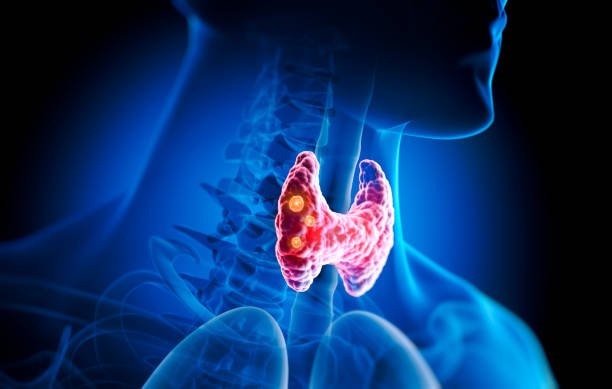
Common Symptoms of Hypothyroidism
- Fatigue and low energy
- Unexplained weight gain
- Cold intolerance
- Hair thinning or hair loss
- Dry skin
- Constipation
- Depression or low mood
- Brain fog or memory issues
- Slow heart rate
- Irregular or heavy menstrual cycles (in women)
Prevalence in the United States
- Studies estimate that nearly 5 out of 100 Americans ages 12 and older have hypothyroidism. Read More
- More recent data suggests prevalence has increased: analyses of national surveys and insurance-claims databases from 2009–2019 report rates rising from roughly 9.5 % in 2012 up to 11.7 % in 2019. Read More
- Projected onto the adult U.S. population, this suggests that about 30 million Americans may have overt or subclinical hypothyroidism. Read More
- The condition disproportionately affects women and older adults. Read More
Because the condition often develops gradually and symptoms can be subtle, a substantial portion of cases may remain undiagnosed — especially milder or subclinical forms. Read More
Main Causes of Hypothyroidism
Hypothyroidism occurs when the thyroid gland does not produce sufficient levels of thyroid hormones, which regulate metabolism, energy use, body temperature, and other vital functions. Read More. The major causes in the U.S. include:
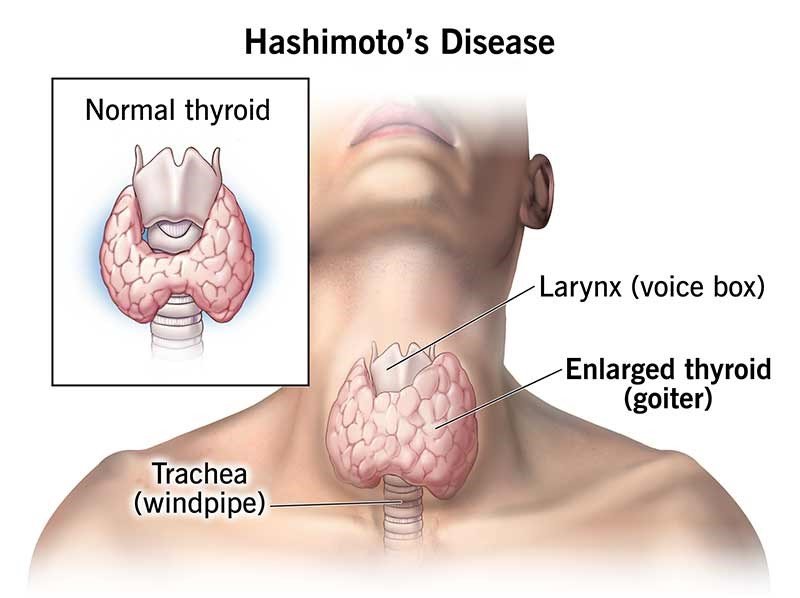
Hashimoto's thyroiditis (autoimmune thyroiditis)
The most common cause. In this autoimmune disorder, the body’s immune system mistakenly attacks the thyroid gland, damaging it and gradually reducing hormone production. Read More
Autoimmune thyroid diseases are considerably more common among women than men. Read More

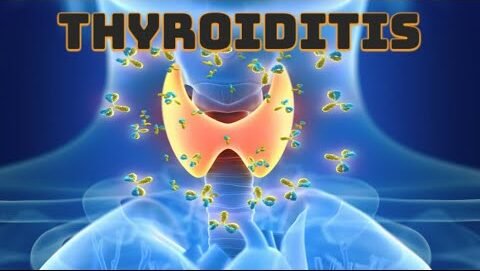
Thyroiditis (inflammation)
Inflammation of the thyroid (thyroiditis) from infections or other triggers can damage the gland and reduce its ability to produce hormones. Read More
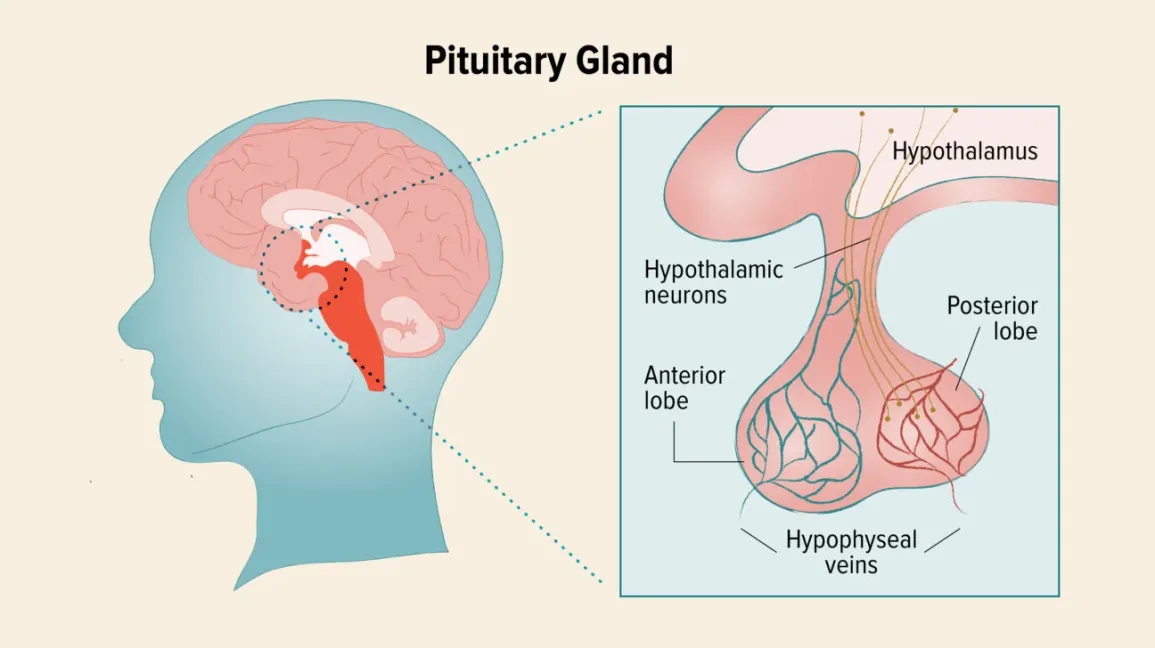
Pituitary gland or hypothalamus problems (rare)
Less commonly, hypothyroidism arises because the control system (pituitary or hypothalamus) fails to signal the thyroid properly. Read More
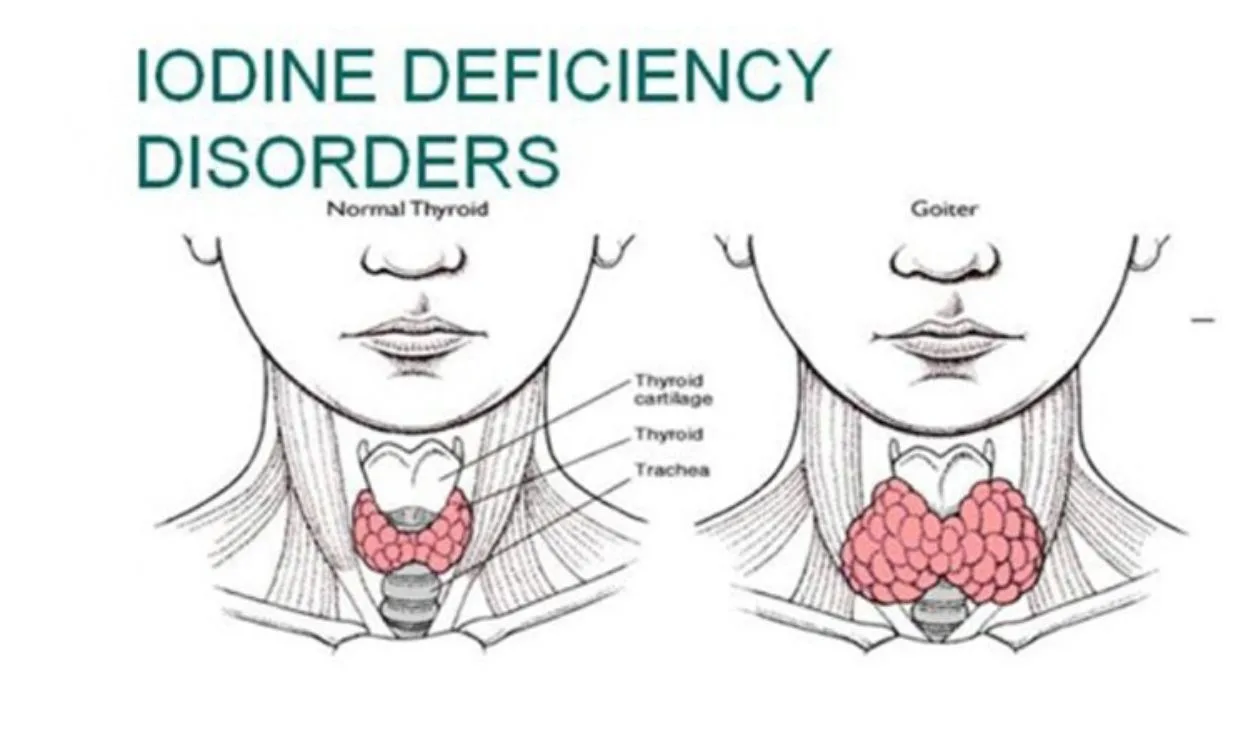
Iodine imbalance (rare in U.S.)
While globally low iodine intake can cause hypothyroidism, in the U.S. iodized salt and dietary iodine make this cause extremely uncommon. Read More
Why These Facts Matter
Understanding how common hypothyroidism is — and what causes it — helps highlight the importance of awareness, screening, and early treatment. Many people may have mild or subclinical thyroid issues and not recognize symptoms, so timely diagnosis and proper thyroid-hormone replacement (or other interventions) can significantly improve quality of life, metabolism, energy, mood, and long-term health.